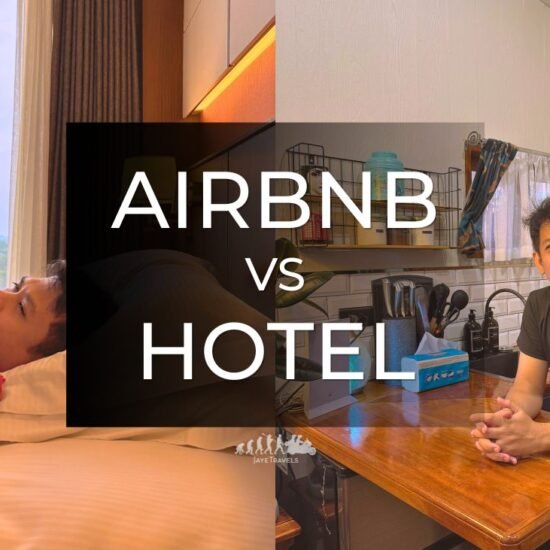








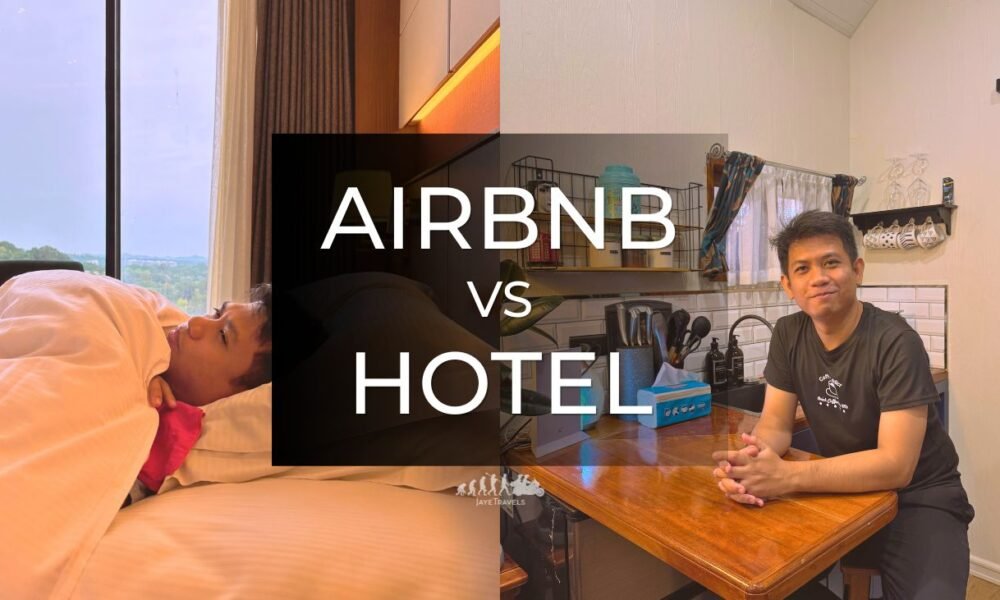
Choosing between an Airbnb vs hotel in 2026 comes down to trip duration, number of people or what others call as pax (no not Pax Silica), and hidden city taxes. New pricing structures and local short-term rental laws mean hotels now often beat whole-unit Airbnbs on price for solo travelers or short weekend stays, while Airbnbs remain ideal for group trips, inclusions and longer visits. Understanding these cost shifts ensures you pick the best lodging for your travel style and budget.
Table Of Content
Booking Trap?
There I was, sitting at my kitchen table with eight browser tabs open, a lukewarm mug of coffee in hand, and a mild headache forming behind my left eye. I was planning a three-night trip to Tagaytay, and my brain was stuck in a classic loop.

My default travel rule has always been simple: book an Airbnb if you want to save money, book a hotel if you want extra luxury. So, I picked out a cute loft on Airbnb, saw the nightly rate of 5000 pesos, and thought I had hit the jackpot.
Then came the checkout screen. Once the cleaning fee, regional taxes, and platform charges stacked up, that bargain loft skyrocketed. It’s like seeing a cheap product in Shopee only to find out the marketed price is only for a tiny version of the one in the image.
Baffled, I pulled up a hotel booking platform and looked at a boutique hotel right within the town center. The hotel, complete with fresh towels, daily housekeeping, and free morning espresso, was actually cheaper overall. That was the exact moment I realized my trusty travel playbook was completely outdated.
The Old Rule Is Dead
For years, travelers operated under the assumption that short-term rentals were the undisputed kings of budget travel. But times have changed. Updated market data from AirROI’s 2026 report shows that hotels now maintain a sharp value edge over whole-unit Airbnbs across Metro Manila for short, solo, or couple stays.
With Manila Airbnbs averaging 30.2% occupancy and $41/night (₱2,350/night) before additional cleaning or platform fees, lower-tier units struggle at just 29% median occupancy and $12 RevPAR. After accounting for added booking surcharges, traditional hotel rates, which include daily housekeeping and central amenities, consistently beat unoptimized short-term rentals on total cost and reliability for single travelers and couples visiting the capital.
The main reason for this shift comes down to pricing mechanics. Hotels package their costs into a standard nightly rate plus local lodging taxes. Airbnbs, on the other hand, pins flat fees onto every reservation regardless of length. If you stay for seven nights, a flat cleaning fee gets spread thin across your trip. If you stay for two nights, that same cleaning fee massively inflates your effective cost per night.
Cities Are Quietly Taxing Airbnb
Beyond basic cleaning fees, local governments have fundamentally altered the lodging landscape. Municipalities around the Philippines have enacted strict rules and high occupancy taxes targeting short-term rentals. Places like Metro Manila, Metro Cebu, Davao, and even Batanes… have pushed combined local tax rates upwards of fifteen to seventeen percent on short-term stays.
Because these local taxes are calculated on the full subtotal, including cleaning and extra guest fees, they compound heavily on an Airbnb receipt. When you check out, you are not just paying for a room; you are paying tax on the room, tax on the maid service, and tax on the admin fees. Hotels pay local tax too, but without those extra flat fee layers, the tax hit is far less aggressive. That budget apartment you book thinking you saved a hundred bucks often ends up matching hotel rates dollar-for-dollar once you reach the final payment screen.
Loyalty Programs and Unexpected Scams
While travelers were focused on taxes, the platforms themselves pulled a quiet switcheroo. Airbnb has historically avoided traditional rewards programs, but recent updates introduced crossover benefits. By onboarding curated boutique hotels into their system, they began offering direct credits on select hotel stays that can be redeemed toward future home rentals. It is a subtle shift designed to keep flexible travelers inside one single app.
At the same time, new security risks have popped up that every traveler needs to watch out for. Forget the outdated warnings about fake wire transfers; today’s primary headache involves digital property claims. With AI photo editing becoming surprisingly convincing, dishonest users or hosts sometimes dispute pre-existing property damage using altered images. The easiest way to protect yourself on any stay is simple: take a thirty-second video walk-through on your phone the moment you unlock the door at check-in, and do the same right before you hand back the keys or check out.
Finding What Works for You
Neither lodging option is universally superior. The trick to stress-free travel is matching your place to your specific itinerary. When I travel solo or head out on a quick weekend getaway, I default to a hotel. I get predictable pricing, seamless check-ins, and a guaranteed place to store my luggage if my flight lands six hours before check-in time.
However, when travelling with a group of friends or planning a longer stay where we want a full kitchen to cook meals, Airbnb takes the lead. Splitting a three-bedroom house among four people almost always yields better value and far more living space than booking three separate hotel rooms.
Airbnb
Pros: You get more space and flexibility … often a full kitchen, living area, and multiple bedrooms, which is a big win for group trips or longer stays where cooking your own meals saves money. Listings also tend to feel more local, giving you a real neighborhood to stay in rather than a hotel district.
Cons: Check-out often isn’t as simple as just leaving. Many hosts expect guests to strip the beds, wash and put away dishes, and take out the trash before departing, on top of the cleaning fee already charged at booking. Some listings skip that requirement but also skip the fee, which usually means either doing the cleaning yourself or paying roughly ₱2,000 to have it taken care of. It’s a step that hotel stays typically don’t require, since housekeeping is included as part of the service.
Hotels
Pros: Housekeeping is built in, so there’s no cleaning to worry about at checkout. You also get consistent service … front desk help, daily cleaning, and amenities like pools or gyms … plus more predictable quality since rooms follow a standard.
Cons: Rooms are generally smaller and more standardized, so there’s less flexibility for group stays or longer trips where a kitchen or living space would help … and eating out for every meal can add up quickly. Hotels also tend to charge extra for amenities that many Airbnbs include by default, like parking, Wi-Fi, or late check-out, and the experience can feel less personal or local compared to staying in an actual neighborhood.
HACK: Maximize Every Booking
Here is a little secret that can soften the blow regardless of which lodging option you choose. Smart travelers do not just pick between a hotel or an Airbnb; they optimize how they pay for it. Whether I end up booking a boutique hotel room or a quiet condo rental, I always process the transaction using a high-yield travel credit card. Many top cards earn triple points on travel and vacation rentals, effectively giving you cash back or free flights on money you were already going to spend. On top of that, paying with a proper travel card often unlocks built-in trip cancellation insurance and zero foreign transaction fees, which can save you hundreds if plans fall through.
Quick Travel Tips & FAQ
What is the cheapest option for a 2-night trip?
For short stays of one or two nights, hotels are usually cheaper because flat fees like cleaning charges do not have enough nights to amortize on an Airbnb bill.
Are Airbnbs better for families than hotels?
Yes. Whole-home Airbnbs provide multiple bedrooms, living areas, and kitchen access, making them significantly more economical and comfortable for families or group stays.
Do hotels have better cancellation policies than Airbnbs?
In most cases, yes. Standard hotels often allow free cancellation up to 24 to 48 hours before check-in, whereas Airbnb host cancellation policies vary widely and can be quite strict.
How can I avoid hidden fees on vacation rentals?
Always toggle the “Display total price” setting on search platforms before browsing so you see the complete cost including all taxes and service charges upfront.